
https://www.gentingcasino.com/casino/online-blackjack/
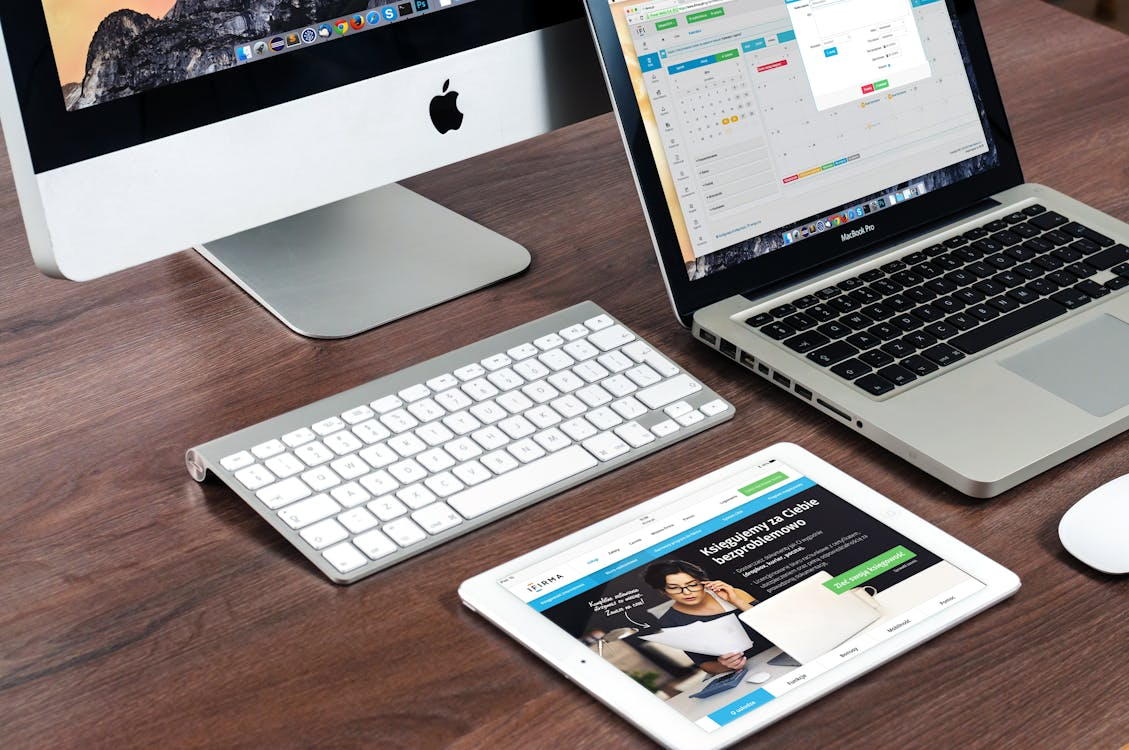
Image link https://www.pexels.com/photo/windows-flat-screen-computer-monitor-beside-two-silver-macbooks-370470/
Trust online doesn’t just come from words or policies. It often comes from what users see and feel the moment they land on a page. Design shapes perception — it silently tells users whether a website is credible, safe, and worth their time. Every colour choice, layout, and button placement plays a role in building (or breaking) that trust.
User experience design, or UX, is the invisible architecture that guides users through an online space. When it’s done well, it feels natural. When it’s done poorly, people notice instantly. And in today’s digital world, even the smallest design misstep can lead to doubt.
The psychology behind trust in design is simple: humans associate structure with safety. A clean, well-organised layout signals competence. It makes users believe the company behind the screen knows what it’s doing. On the other hand, cluttered pages, inconsistent fonts, or slow-loading features create unease. Even if the content is legitimate, poor design can make it feel untrustworthy.
First impressions matter more online than anywhere else. Studies show that users form opinions about a website within seconds of visiting. The look and feel of a page — its balance, spacing, and readability — heavily influence whether a person decides to stay or leave. That’s why trustworthy design isn’t just about aesthetics. It’s about creating comfort.
Navigation also affects credibility. Clear menus, predictable pathways, and visible contact information reassure users that they can find what they need. Confusing navigation, missing details, or too many pop-ups create friction. Friction breeds frustration, and frustration erodes trust. The best platforms design for ease. They make sure users never have to think too hard about where to click next.
Transparency through design is another key factor. People want to see what’s happening behind the interface — especially when it involves their data or money. Simple visual cues, like security icons, progress bars during payments, or confirmation screens, reduce anxiety. They give users a sense of control, which in turn strengthens confidence.
Few industries understand this better than online entertainment, particularly blackjack online platforms. These sites rely entirely on trust to operate. Players need to believe that the games are fair, the systems are secure, and their information is protected. To achieve that, top platforms have mastered the art of trustworthy design.
Modern gaming interfaces use structured layouts that prioritise clarity. Important information, like account balance, rules, and betting options, is easy to find. Buttons are well-placed and responsive, ensuring a smooth experience from start to finish. The design feels consistent — every page, every menu, every action looks and behaves predictably. That consistency sends a powerful message: this system is reliable.
Fairness indicators take trust even further. Online gaming platforms often include visual markers of integrity, like verified random number generators or audit badges from independent agencies. These elements might seem small, but they communicate honesty. When players can see that outcomes are verified and transparent, they relax. They feel confident they’re engaging with a system that values fairness.
The same principle applies across all digital industries. Whether it’s an e-commerce site showing verified reviews or a banking app displaying encryption notices, design elements that signal openness create emotional safety. Users don’t need to understand every technical detail; they just need to feel assured that the brand is trustworthy.
Colour and typography also influence perception. Soft, balanced colours tend to create calm, while bold, contrasting tones can energise or alarm. Fonts that are readable and consistent give a sense of professionalism, while mismatched or decorative ones can feel unreliable. Even spacing — how elements are arranged on the screen — affects how trustworthy a website feels. Clean layouts subconsciously suggest order and attention to detail.
Speed is another silent trust builder. A fast-loading site feels competent and cared for, while delays create suspicion. Users may not consciously link performance to integrity, but slow, glitchy experiences often feel unsafe. That’s why good design includes not just visuals, but functionality. The smoother the experience, the stronger the trust.
Microinteractions — the tiny animations or feedback signals that occur during user actions — also play a major role. A small “tick” after a completed form or a confirmation sound after a successful payment gives immediate reassurance. These subtle details make digital experiences feel human and responsive. They replace uncertainty with affirmation.
Clarity in communication is equally essential. Design and content must work together. Simple, concise language complements a clean interface. Overly promotional or vague text can feel misleading, even when the intentions are good. Credible brands use straightforward language that matches the confidence of their design.
Accessibility, too, builds trust. When a platform considers all users — including those with disabilities — it sends a message of inclusivity and care. Features like readable contrast, screen reader compatibility, and intuitive controls show empathy. Ethical design creates loyalty by making everyone feel seen and supported.
Consistency across devices strengthens that feeling. When users move from desktop to mobile and find the same level of quality and clarity, they feel grounded. Inconsistency, on the other hand, creates cognitive dissonance — a subtle sense that something isn’t right. Seamless design across platforms reassures users that the brand pays attention to every detail.